Welcome to

St. George Coptic Orthodox Church 

of Astoria, New York

UNITY

FAITH

LOVE

Faith. Unity. Love. These are the pillars upon which our Church stands—firm in the Coptic Orthodox faith, united in the body of Christ, and driven by the boundless love of God.

Rooted in the teachings of the Apostolic Church, our faith is more than tradition; it is a living relationship with the Holy Trinity—Father, Son, and Holy Spirit. As members of the One Holy Catholic and Apostolic Church, we seek God and His Kingdom above all else, anchoring our lives in prayer, Scripture, and sacramental life. 

In unity, we are one family in Christ. We believe that every member, young or old, is precious and plays a vital role in building up the Church. No one stands alone. We walk together in hope, supporting one another not only in times of joy but especially in times of trial. This spirit of unity reflects the love of Christ and calls us to be His light in the world. 

Love is at the heart of all we do. God is love, and we are called to live that love visibly—through worship, service, and acts of compassion. We strive to reflect the image of Christ to all we encounter, reaching beyond our walls to serve our neighbors, care for the marginalized, and bring healing to a broken world. Empowered by grace, we are not only called to be transformed but to be instruments of transformation in our community and beyond.

2026 Holy Week Schedule

    • Holy Week (Pascha Week) is the most sacred and holiest week of the Coptic Orthodox Church

    • It is a living journey with Christ, not just a remembrance—believers spiritually walk with Him through His final days

    • The Church commemorates the events from Palm Sunday to the Crucifixion and Burial, culminating in the Resurrection

    • The focus is on Christ’s Passion—His suffering, crucifixion, and redemptive sacrifice for humanity

    • The week leads to the Feast of the Resurrection (Pascha), the foundation of Christian faith and victory over death

    • The Church reenacts the events of Christ’s Passion through structured worship, guiding believers step by step through each day

    • It is marked by intense spiritual practices, including:

      • Continuous Scripture readings

      • Deep and structured Pascha prayers (morning and evening “hours”)

      • Reflection, repentance, and watchfulness

    • Services are long and frequent, often held twice daily and centered on the readings and prayers of each hour

    • The atmosphere is solemn and focused on the Cross, emphasizing reverence and contemplation

    • It is observed with strict fasting and ascetic discipline, often with simplicity in food and increased prayer

    • Ultimately, Holy Week is a transformational journey, leading believers from the sorrow of the Cross to the joy of the Resurrection

  • Palm Sunday (Hosanna Sunday) – Christ enters as King

    • Christ enters Jerusalem as a humble King, showing His desire to reign in the hearts of His people.

    • The people proclaim, “Hosanna! Blessed is He who comes in the name of the Lord” (Mark 11:9), recognizing Him outwardly as Messiah.

    • St. Cyril of Alexandria teaches that Christ’s entry represents His coming into the soul that receives Him.

    Holy Monday – The call to bear fruit

    • Christ curses the fig tree and cleanses the temple to reveal the danger of outward religion without inner righteousness.

    • He declares, “Let no one eat fruit from you ever again” (Mark 11:14), warning against a fruitless spiritual life.

    • St. John Chrysostom explains that the fig tree represents a person who appears faithful but lacks true virtue.

    Holy Tuesday – Watchfulness and readiness

    • Christ teaches about vigilance and judgment through parables, calling believers to be spiritually prepared.

    • He warns, “Watch therefore, for you know neither the day nor the hour” (Matthew 25:13).

    • St. Augustine explains that the oil of the virgins represents love and righteous deeds.

    Holy Wednesday (Spy Wednesday) – Betrayal and repentance

    • Judas chooses to betray Christ while the sinful woman responds with repentance and love.

    • Judas asks, “What are you willing to give me if I deliver Him to you?” (Matthew 26:15), revealing a hardened heart.

    • St. Ephrem the Syrian teaches that repentance brings life, while betrayal leads to spiritual loss.

    Covenant Thursday – The Eucharist and humility

    • Christ institutes the Eucharist and washes the disciples’ feet, revealing sacrificial love and humility.

    • He says, “Take, eat; this is My Body” (Matthew 26:26) and “I have given you an example” (John 13:15).

    • St. Cyril of Alexandria teaches that believers truly partake of Christ through the Eucharist.

    Good Friday – The Cross and redemption

    • Christ is crucified and offers Himself as a sacrifice for the salvation of humanity.

    • He declares, “It is finished” (John 19:30), completing the work of redemption.

    • St. Athanasius teaches that through His death, Christ destroyed death and restored life.

    Bright Saturday (Apocalypse Saturday) – Victory over Hades

    • Christ descends into Hades to free the righteous and proclaim victory over death.

    • Scripture says, “He went and preached to the spirits in prison” (1 Peter 3:19).

    • St. Epiphanius describes Christ seeking Adam as a shepherd seeks a lost sheep.

    Feast of the Resurrection (Pascha) – Victory and new life

    • Christ rises from the dead, conquering sin and granting new life to humanity.

    • He proclaims, “I am the resurrection and the life” (John 11:25).

    • St. John Chrysostom declares that through the Resurrection, death has lost its power.

    Overall Coptic understanding

    • Holy Week is lived as a real participation in Christ’s Passion through continuous prayer, Scripture, and patristic teaching.

    • The journey moves from repentance and sorrow to victory and joy in the Resurrection.

    • In 2026, Western Easter is April 5, 2026, while Orthodox (Coptic) Easter is April 12, 2026, one week later.

    • Both traditions follow the same rule from the Council of Nicaea (325 AD): Easter is the first Sunday after the first full moon following the spring equinox.

    • The difference happens because Western churches use the Gregorian calendar, while Orthodox churches use the older Julian calendar to calculate the date.

    • The Julian calendar is currently 13 days behind the Gregorian calendar, which shifts the equinox and full moon later for Orthodox calculations.

    • Because of this, the “Paschal full moon” occurs later in the Orthodox calculation, so Easter is often later as well.

    • Some years the dates match (like 2025), but in many years—like 2026—they are different because the calendars and lunar calculations do not align.

    • Despite the different dates, both celebrate the same Resurrection of Christ, with the difference being calendar calculation, not belief.

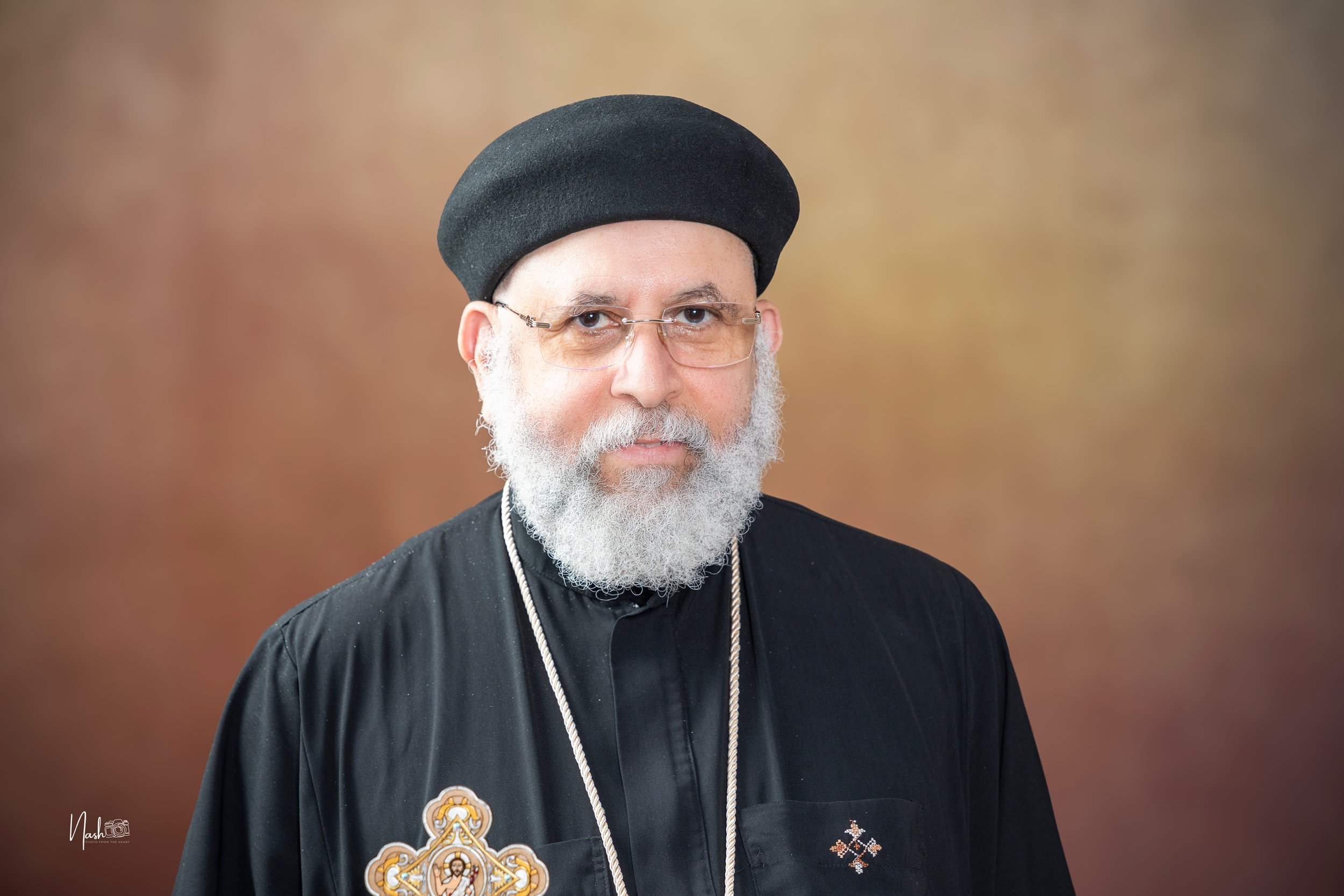
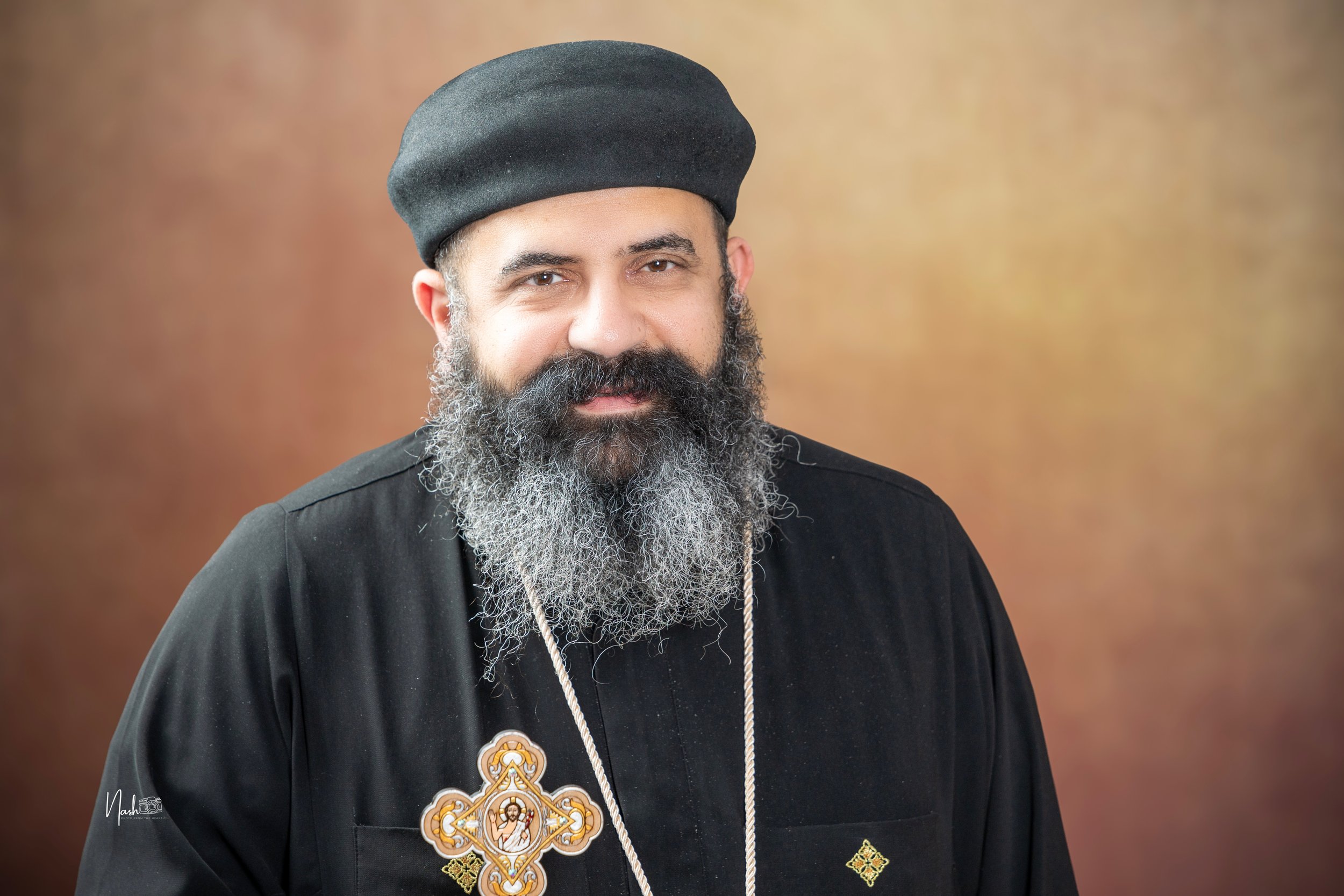
OUR PRIESTS

A man with a white beard, glasses, wearing a black clerical robe with religious insignia, and a black hat, standing against a blurred brown background.
A man with a beard wearing a black beret and religious attire, including a cross-shaped pendant, standing against a brownish background.

Very Reverend, Fr. Sorial Henery

Reverend, Fr. Yostos Bessada

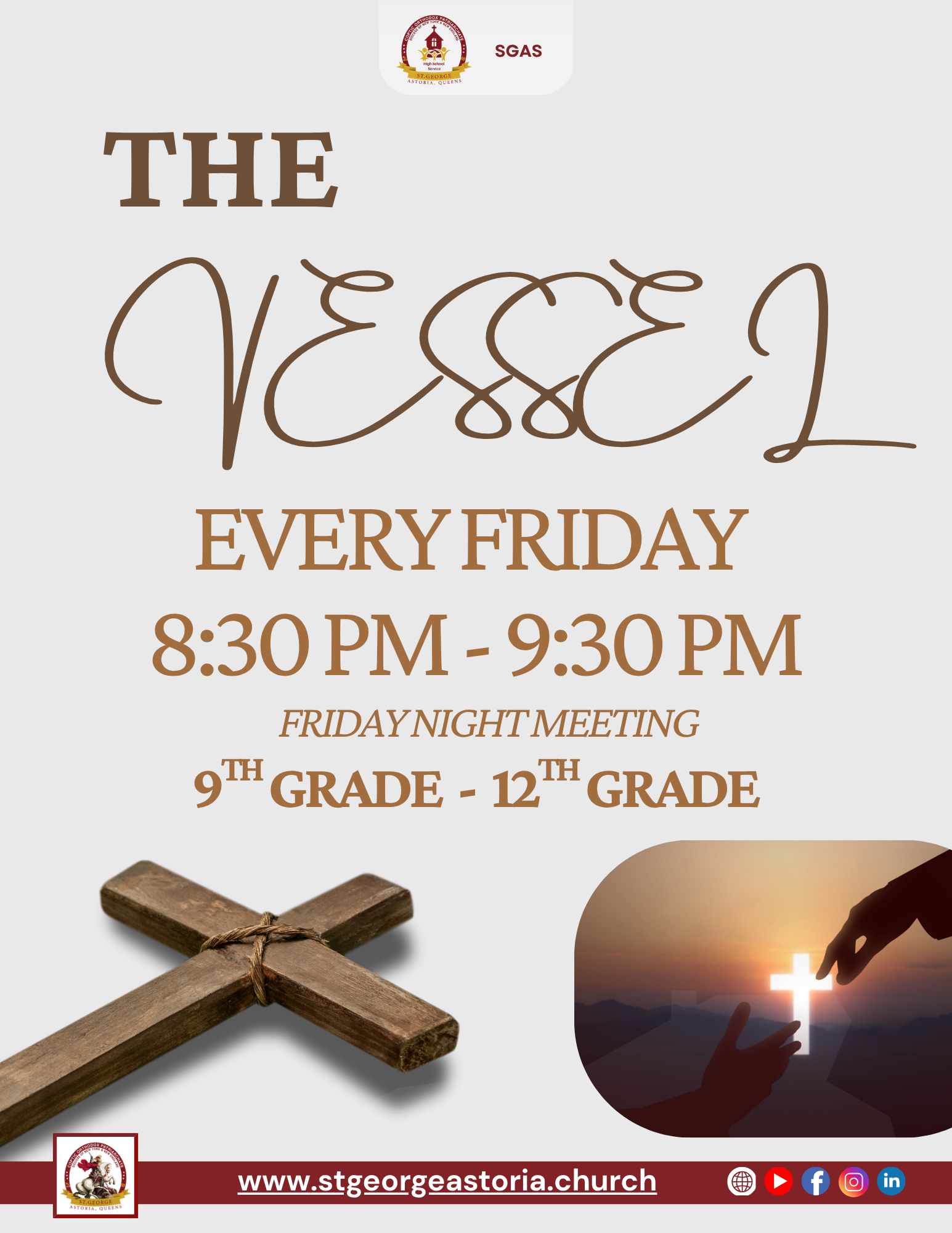
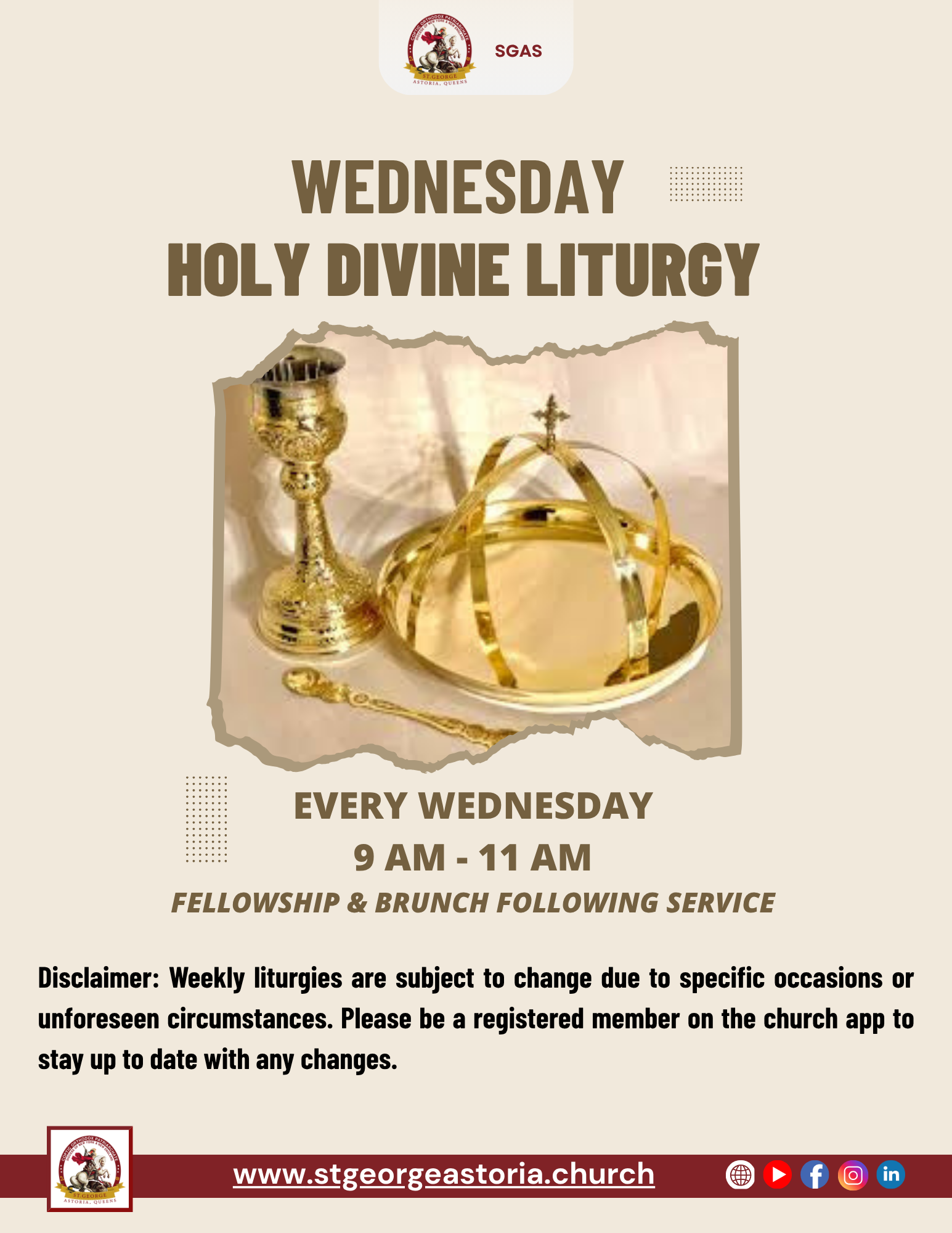
Current Events